Liposuction Michigan for Lower Abdomen and Waistline Shaping
The lower abdomen and waistline are two of the most common trouble spots I hear about from patients considering body contouring. These areas tend to resist the usual advice. People tighten up their diet, commit to strength training, add more walking, cut back on alcohol, and still find that the lower belly bulge or fullness at the flanks stays put. It can be frustrating, especially when the rest of the body responds and the midsection does not.
That is where liposuction can make a meaningful difference, provided the patient is a good candidate and understands what the procedure can and cannot do. In practices across the state, interest in Liposuction Michigan consultations often centers on a specific goal: a smoother lower abdomen, a cleaner waistline, and a silhouette that looks more balanced in fitted clothing. Those are realistic goals in many cases. A flat stomach after one procedure, especially in someone with skin laxity or muscle separation, may not be.
Good results depend on judgment more than hype. Technique matters, of course, but so do anatomy, skin quality, fat distribution, age, prior pregnancies, scars, weight stability, and recovery habits. Lower abdominal contouring is not just about removing fat. Waistline shaping is not simply a matter of suctioning the sides. The best outcomes come from reading the body correctly, preserving smooth transitions, and knowing when liposuction alone is enough and when another approach would serve the patient better.
Why the lower abdomen and waistline are uniquely challenging
The lower abdomen behaves differently from the upper abdomen in many patients. Fat in this region can be denser, more hormonally influenced, and more noticeable because it sits at the center of the body. Even a Liposuction Michigan modest pocket can create a rounded profile in leggings, dresses, swimwear, or tailored pants. In some people, the issue is pinchable fat just under the skin. In others, part of the fullness is deeper, beneath the muscle wall, which liposuction cannot safely address.
The waistline adds another layer of complexity. What most people call the waistline usually includes the flanks, the side body, and sometimes the upper hip area. If the flanks are overtreated, the body can look harsh or hollow. If they are undertreated, the lower abdomen may still seem prominent because the surrounding contour has not been balanced. Experienced surgeons pay close attention to that relationship. A smaller lower abdominal pad often looks best when paired with a subtle narrowing of the flanks, not an aggressive one.
I have seen patients who were convinced they only needed abdominal liposuction, but a careful exam showed that flank fullness was visually amplifying the belly from the front. I have also seen the opposite, where someone focused on their love handles but had enough lower abdominal projection that treating the sides alone would have left them disappointed. Body contouring is visual and structural at the same time. Small refinements in adjacent zones can change the entire result.
What liposuction can actually improve
Liposuction is best at reducing localized subcutaneous fat and refining shape. For the lower abdomen and waistline, that usually means less bulk, improved clothing fit, and a more defined transition from torso to hip. It does not repair stretched abdominal muscles, remove significant excess skin, or produce the same result as a tummy tuck in patients with substantial laxity.
This distinction matters because the lower abdomen often reflects more than fat alone. After pregnancy, weight fluctuations, or simple aging, many patients develop a mix of issues. The skin may be looser. The abdominal wall may be weaker. The fat may be unevenly distributed. If liposuction is used in the wrong situation, the contour may improve somewhat but the looseness remains, and sometimes becomes more apparent once the underlying volume is reduced.
For the right patient, though, liposuction can be an elegant tool. Someone in a stable weight range with good skin recoil and a distinct lower abdominal pouch often sees a noticeable improvement. The same is true for a patient whose waistline thickness comes primarily from flank fat rather than loose skin or internal abdominal fullness. These are the cases where the procedure tends to feel satisfying, because the surgery addresses the actual problem rather than just chasing a symptom.
The best candidates often share a few traits
Surgeons vary in style, but many look for the same broad signs that a patient is likely to benefit from liposuction in this area.
- Weight that has been relatively stable for several months
- Good to moderate skin elasticity
- Localized fat deposits rather than generalized obesity
- No expectation that liposuction will replace diet, exercise, or abdominal muscle repair
- Willingness to follow compression and recovery instructions closely
Those points sound straightforward, but they carry a lot of nuance. A patient does not need to be at an idealized goal weight to have a successful procedure. In real practice, many excellent candidates are simply close to their usual healthy range and unable to change specific problem areas. On the other hand, someone who is actively losing a substantial amount of weight may benefit from waiting. Body shape changes during that process, and surgery performed too early can lead to a result that no longer matches the body a year later.
Skin elasticity deserves special mention. Younger patients often recoil well, but age alone is not the deciding factor. I have seen patients in their forties and fifties with strong elasticity and beautiful contour after liposuction, while some younger patients, especially after major weight changes, show laxity that needs a different plan. The pinch test, the texture of the skin, and the degree of creasing at rest tell a surgeon more than a birth date ever could.
A Michigan perspective on timing, lifestyle, and recovery
When people search for Liposuction Michigan options, they are often thinking about surgeon reputation and proximity, but geography affects recovery habits too. Michigan’s long winters can actually help some patients. Cooler weather makes compression garments easier to tolerate, and people are often less socially active during the first recovery weeks. At the same time, snow, ice, and long drives can complicate early follow-up if surgery is scheduled during a severe weather stretch.
Summer has its own trade-offs. Patients may enjoy taking short walks outside, which helps circulation and stiffness, but heat can make swelling feel more intense and compression less comfortable. If you have a lake vacation, wedding, or beach trip on the calendar, timing matters. The treated areas usually look better long before final swelling has settled, but the body still needs time. Planning surgery three weeks before a major event is one of the more common setup mistakes I see. The patient may be upright and functioning, yet still swollen, tender, and not emotionally ready for photos or swimwear.
Work patterns in Michigan matter as well. Patients in physically demanding jobs, Liposuction Michigan michellehardawaymd.com including healthcare, manufacturing, construction, and warehouse settings, often need a more thoughtful plan for return to duty than someone who works from home. Even when pain is manageable, twisting, lifting, and long hours on your feet can increase swelling and fatigue. A desk worker may return in several days to a week, while a more physical job may require longer restrictions depending on the extent of treatment and the surgeon’s protocol.
How lower abdomen and flank liposuction is planned
Surgical planning starts with standing evaluation. This is where contour is seen clearly. The surgeon assesses front, oblique, and side views, because the lower abdomen and waistline never exist in isolation. The eye reads them as part of the entire torso.
The lower abdomen may include a central mound, a horizontal roll above a prior C section scar, diffuse fullness below the navel, or asymmetry from one side to the other. The flanks may project backward, outward, or both. In some patients, the issue extends into the lower back, and ignoring that zone can leave the waistline underdefined. In others, restraint is smarter. Not every adjacent area should be treated.
This is one of the quiet differences between average and refined results. The goal is not to remove as much fat as possible. The goal is to create harmony. Overresection can leave irregularities, adhesions, and an unnatural look, especially in thinner patients. Underresection can preserve too much fullness and blunt the improvement. The art lies in knowing what to leave behind so the skin can drape smoothly and the body still looks human, not carved.
Cannula choice, depth of treatment, and whether energy-assisted methods are used vary by surgeon. Some prefer traditional suction-assisted techniques for control and predictability. Others incorporate power-assisted or ultrasound-assisted tools in selected cases. No device replaces judgment. A skilled surgeon with a sound plan matters far more than a flashy piece of equipment.
The consultation should answer more than price
A strong consultation is not a sales pitch. It is an assessment of fit. For lower abdomen and waistline shaping, that means the surgeon should talk plainly about your anatomy, likely outcome, limitations, and recovery.
When I listen to good consultations, I hear specificity. The surgeon explains whether the lower abdominal bulge is mostly superficial fat, whether there is skin looseness that may not shrink fully, and whether abdominal wall laxity is part of the picture. They may mention that the waistline will improve more from the front than the side, or vice versa. That level of detail tells you they are evaluating your body, not reciting a generic script.
Patients often focus on how many liters of fat will be removed, but that number has limited value by itself. Volume does not equal quality. A smaller, carefully balanced removal can produce a much better shape than a larger, indiscriminate one. The same principle applies to cost. The lowest quote is not always the best value, particularly for a procedure where smoothness and proportion are everything.
What recovery really feels like
Most patients describe lower abdomen and flank liposuction recovery as sore, tight, swollen, and bruised rather than sharply painful. The first several days can feel similar to an intense workout layered with stiffness and pressure. Getting in and out of bed is awkward. Standing fully upright may take a little time if the lower abdomen feels tight. Drainage from small incision sites can occur early on, depending on technique and fluid use.
Compression garments are a major part of the process. They help manage swelling, support tissues, and improve comfort. Patients usually tolerate them best when they understand ahead of time that the garment is not optional window dressing. It is part of treatment. The challenge is fit. A garment that rolls, pinches, or digs into the waist can be miserable and may create marks or uneven pressure. This is why careful garment selection matters more than many people expect.
Swelling follows its own timetable. Patients often look dramatically better once the early fluid shifts calm down, then become discouraged when swelling lingers in stubborn pockets. The lower abdomen is notorious for this. It can stay puffy longer than neighboring areas, particularly by day’s end. Fluctuations are normal. The body is healing, and contour settles gradually rather than all at once.
A realistic recovery sequence often looks something like this:
- The first week centers on rest, walking, compression, and fluid shifts
- By two to three weeks, many patients feel more functional but still swollen
- At one to two months, shape is more visible, though not final
- Subtle refinement can continue for several months
- Numbness, firmness, or sensitivity may improve slowly over time
That timeline varies with treatment extent, personal healing patterns, and whether multiple areas were addressed together. It also varies with patience. Some of the hardest recoveries are not physically difficult, but psychologically uneven. Patients see progress, then plateau, then progress again. Knowing that ahead of time helps.
Common concerns about smoothness, scars, and unevenness
The fear of lumps or waviness is common, and it is not unfounded. Any liposuction procedure can produce contour irregularities if tissue is removed unevenly, if healing is complicated, or if skin quality is poor. Lower abdomen treatment deserves caution because even mild surface unevenness can catch the light in a fitted top or swimsuit.
That does not mean irregularity is inevitable. Good planning, conservative technique, meticulous aftercare, and patient selection reduce the risk substantially. Small access incisions are usually placed discreetly, often low enough to hide within underwear or swimwear lines. The scars are typically short, but they still need proper care and time to mature.
Postoperative firmness can also worry patients. Areas may feel hard or ropey during healing. That does not automatically mean something has gone wrong. Internal swelling and scar tissue formation are part of normal recovery. Surgeons differ in their recommendations for massage, lymphatic work, or ultrasound-based postoperative care, so this is worth discussing during consultation rather than improvising later.
When liposuction alone is not the best answer
Some of the most honest surgical advice involves saying no to a procedure by itself. If the lower abdomen has significant loose skin, pronounced stretch marks with tissue redundancy, or muscle separation that creates a rounded abdominal wall, liposuction alone may disappoint. It can slim the fatty layer while leaving the central problem untouched.
This is particularly relevant after pregnancy and major weight loss. A patient may have a shelf-like fold, crepey lower skin, or a bulge that worsens when the abdominal muscles relax. In those situations, a tummy tuck, sometimes with limited liposuction in select zones, often produces a more coherent result than liposuction by itself. That is a different operation with a different scar and recovery, but for the right patient it is the more effective one.
There are also patients whose “waistline fat” is partly structural. Ribcage width, pelvic shape, and muscle mass influence silhouette. Liposuction can refine contours, but it cannot change bone structure. A good surgeon will say this clearly, because realistic expectations protect patients from chasing impossible goals.
How results hold up over time
Fat cells removed by liposuction do not regenerate in the same way, but the remaining cells can still enlarge with weight gain. This is why liposuction is often described as a contouring procedure rather than a weight-loss tool. Results hold best when patients maintain stable habits after surgery.
The encouraging part is that many patients find body contouring motivating. Clothes fit better. The lower abdomen no longer dominates every outfit choice. The waistline looks cleaner in profile. That positive feedback often makes it easier to maintain routines that were already in place. The opposite can happen too, especially if someone assumes the surgery will protect them from future changes. It will not.
Hormonal changes, aging, pregnancy, and weight fluctuation can all alter the contour later. Still, in patients who remain near their usual weight, improvements typically persist well. The body may soften gradually with time, but the treated proportions often remain more favorable than before surgery.
Questions worth asking before choosing a surgeon
A consultation goes better when patients ask direct, useful questions rather than broad ones. You do not need a memorized script, but clarity helps. Ask how often the surgeon treats the lower abdomen and flanks together. Ask whether your skin quality supports liposuction alone. Ask what result they think is realistic from the front, side, and three-quarter views. Ask what recovery restrictions apply to your work and exercise routine. Ask what they consider a normal swelling course and when they want to hear from you if something seems off.
Surgeons who are confident and experienced usually welcome these questions. They answer in specifics. They do not promise perfection, and they do not dodge trade-offs. That tends to be a good sign.
The quieter value of a well-shaped waistline
Most patients come in talking about fat, but what they usually want is ease. They want to stop adjusting their shirt after every meal. They want pants to fit the waist without gripping the lower belly. They want their body to look more in line with how healthy they feel. Lower abdomen and waistline liposuction can support those goals when the anatomy is right and the plan is disciplined.
The best results rarely look dramatic in a sensational way. They look proportionate. A smoother lower abdomen, a cleaner side contour, a softer transition into the hips, those changes can shift the whole torso. Friends may not identify what changed, but clothing sits differently and the patient often stands a little taller.
That is the real appeal of thoughtful body contouring. Not transformation for its own sake, but refinement that makes the body feel more coherent. For many people exploring Liposuction Michigan options, that is exactly the point. They are not asking to become someone else. They want a stubborn area to stop interrupting an otherwise healthy, stable body. When the diagnosis is accurate and the treatment matches the anatomy, that is a very reasonable goal.
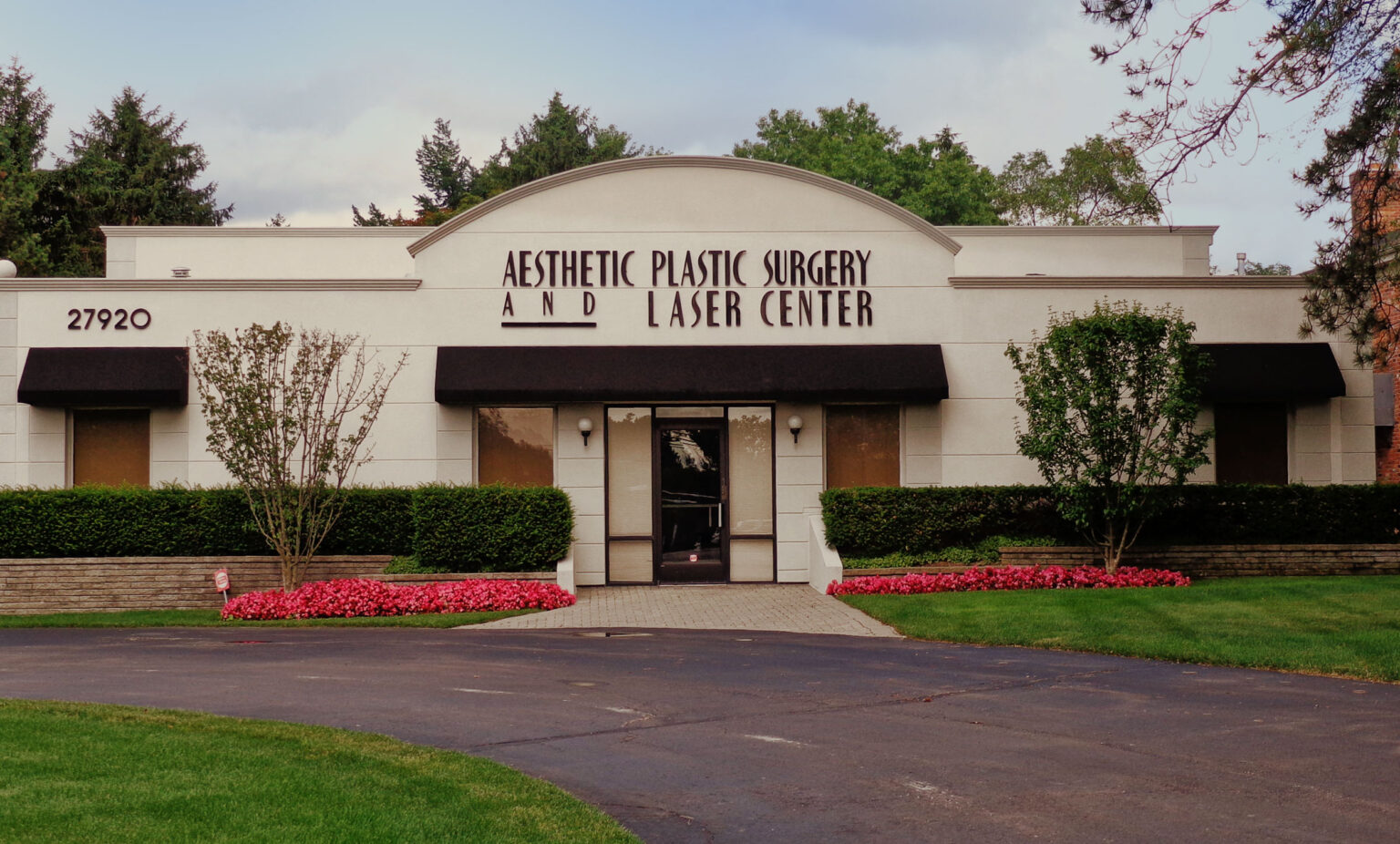
Aesthetic Plastic Surgery & Laser Center, Michelle Hardaway M.D.
27920 Orchard Lake Rd, Farmington Hills, MI 48334, United States
+1 248-221-1957
FAQ About Liposuction Michigan
Is 55 too old for liposuction?
Age 55 alone does not determine suitability. A surgeon evaluates overall health, skin quality, healing risks, and realistic goals. A personal consultation is needed to assess candidacy and discuss alternatives.
What happens 10 years after liposuction?
Contour improvements can last, especially with stable weight. Aging, pregnancy, and weight changes can alter the appearance over time. Results vary, and liposuction does not prevent future body changes.
Can lipo get rid of an apron belly?
Liposuction reduces localized fat but does not remove hanging excess skin. An apron belly may require assessment for a skin-removal procedure instead of, or alongside, fat removal. A qualified plastic surgeon can explain appropriate options and their risks.