Liposuction Michigan and the Journey to a Better Body Shape
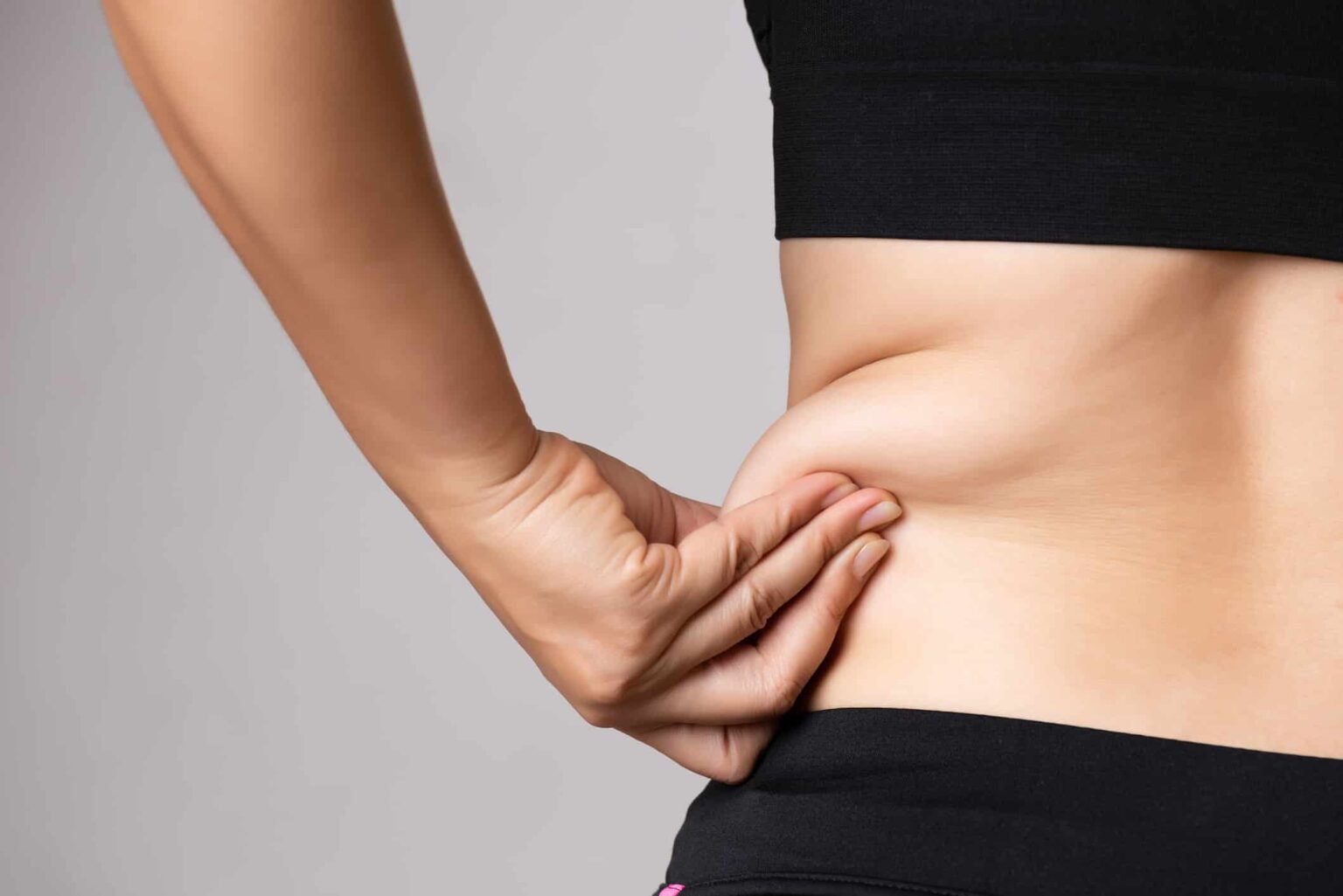
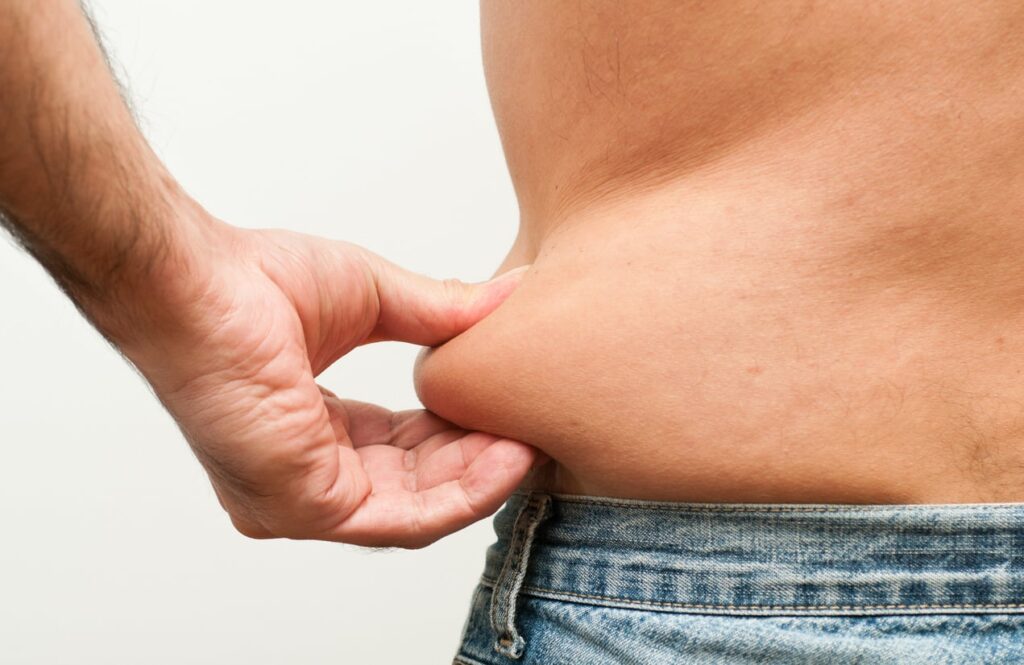
Body contouring is rarely just about a number on the scale. Most people who explore liposuction have already spent years trying to change specific areas of their shape through exercise, careful eating, and a long list of promises from the wellness industry. They may be generally healthy, active, and stable in weight, yet still carry fullness in the abdomen, flanks, thighs, upper arms, or under the chin that does not respond the way the rest of the body does. That frustration is usually what brings the conversation to the point where liposuction starts to make sense.
For many patients considering Liposuction Michigan, the goal is not dramatic transformation in the way television often portrays cosmetic surgery. The more common goal is proportion. A person wants pants to fit better through the waist, a jawline to look more defined in photos, or the silhouette in fitted clothing to feel closer to the effort they have already invested in their health. Those are practical, grounded reasons, and they tend to lead to the best decisions because they are rooted in reality rather than fantasy.
Michigan patients often arrive with another layer to the conversation: seasons. People living in a climate with long winters and shorter summers tend to think about timing a little differently. Compression garments are easier to tolerate in cool weather. Recovery often feels more manageable when there is less pressure to be at the lake, on vacation, or in warm-weather clothing within a week or two. At the same time, the desire to feel comfortable by spring and summer can drive planning during fall and winter. These details may seem minor, but they influence how people experience the recovery process.
What liposuction actually does, and what it does not
Liposuction removes localized fat deposits to improve contour. That sounds simple, but the nuance matters. It is not a treatment for obesity, and it is not a substitute for meaningful weight loss. A good surgeon will usually emphasize this early, because the patients happiest with their results are often close to their target weight before surgery.
The procedure works best on areas where skin still has enough elasticity to contract after fat removal. If the concern is loose, hanging skin after pregnancy or major weight loss, liposuction alone may leave a person disappointed. In those cases, a tummy tuck, arm lift, thigh lift, or another skin-tightening procedure may address the real problem better. Liposuction can refine, but it cannot reliably create firmness where the skin itself has lost the ability to recoil.
That distinction is one of the most important parts of the consultation. A skilled surgeon Liposuction Michigan is not merely asking where you want less fat. They are evaluating skin quality, muscle tone, asymmetry, healing risk, and whether your expectations match what the procedure can deliver. When that evaluation is honest, it protects both the patient and the outcome.
Why certain body areas seem impossible to change
There is a common experience that almost every liposuction patient recognizes: one area of the body appears to ignore every reasonable effort. Someone may lose fifteen or twenty pounds and see changes in the face, bust, and overall frame, while the lower abdomen still bulges or the outer thighs still create the same line under clothing. Genetics play a major role here. Hormonal patterns, age, past pregnancies, and even the way a person stores stress can shape where fat is retained.
This is one reason liposuction often feels emotionally different from dieting. People are not turning to it because they have given up. Often, they are doing the opposite. They have already done the hard work and want the body contour to reflect it more accurately.
That said, it is still a surgical procedure. It deserves the same seriousness as any operation. A thoughtful decision comes from balancing the desire for change with the responsibilities of surgery, recovery, cost, and long-term maintenance.
The consultation process should feel specific, not generic
One reliable sign of quality care is a consultation that feels tailored to your body rather than built from a script. In a strong consultation, the surgeon should ask about your weight history, any prior surgeries, medications, smoking or nicotine use, future pregnancy plans if relevant, and what exactly bothers you when you look in the mirror or get dressed. The conversation should get practical quickly.
A patient who says, “I hate my stomach,” may actually mean several very different things. They may be bothered by upper abdominal fullness, lower abdominal skin laxity, separated muscles after pregnancy, flank fullness that widens the waist, or a combination of all four. Each issue calls for different judgment. If a surgeon treats them as the same problem, the result may miss the mark.
Photos often help during this process, but they need context. Reference photos can communicate shape preferences, though no ethical surgeon should suggest that one body can simply be copied onto another. Bone structure, tissue quality, and anatomy vary too much. The goal is not replication. It is improvement within the reality of your own frame.
Common treatment areas and why they differ
The abdomen remains one of the most requested areas, but even that single region can be complex. Some patients need subtle thinning through the upper and lower abdomen to improve the transition at the waist. Others need liposuction of the flanks more than the center of the abdomen, because reducing the sides creates a more visible contour change than flattening the front alone.
The thighs bring a different set of considerations. Inner thigh liposuction can be very satisfying when done conservatively, especially for people who experience friction when walking or feel bulky in slim-cut clothing. Outer thigh treatment can reshape the line from waist to hip, but overaggressive removal in this area can look unnatural. Good contouring is often about restraint as much as precision.
The arms, neck, and chin demand finesse because the treatment areas are smaller and more visible. A little improvement can go a long way. In the neck especially, skin elasticity largely determines whether the result looks crisp or merely slightly slimmer. Patients in their twenties, thirties, and many in their forties often do well if skin quality is good. Later on, some patients benefit more from a neck lift or combined approach.
Male patients usually come in with somewhat different priorities. The lower abdomen, flanks, chest, and under-chin area are frequent concerns. Men often ask for a look that is lean and defined without appearing operated on. That request is reasonable, but it requires careful planning because male contours differ from female contours in shape and proportion.
Liposuction Michigan patients often ask about technique
Patients frequently hear terms like tumescent liposuction, power-assisted liposuction, ultrasound-assisted liposuction, and laser-assisted methods. These names can make the process sound more technical than it needs to be, and marketing sometimes muddies the waters. The best technique depends less on the trendiest label and more on the surgeon’s skill, the area being treated, and the patient’s anatomy.
Tumescent liposuction, which uses fluid infiltration to reduce bleeding and improve fat removal, is a widely used foundation. Power-assisted devices may help in fibrous areas or larger-volume cases by making Liposuction Michigan the surgeon’s movements more efficient. Energy-based tools can be useful in select circumstances, but they do not replace surgical judgment. What matters most is not whether a device sounds advanced. It is whether the surgeon uses the right tool for the right body with a clear plan for contour.
This is one area where patients should be wary of overselling. If the consultation leans heavily on a branded machine but lightly on anatomy, recovery, and complication management, that is worth noticing.
Recovery is usually manageable, but rarely effortless
Many people are pleasantly surprised that recovery is not as painful as they feared. Soreness, swelling, drainage in the first day or two, and a bruised, tight feeling are common. The sensation often resembles intense muscle soreness combined with tenderness. Still, manageable does not mean casual.
Most patients need to move around the same day or shortly after surgery, not for exercise, but to support circulation and lower the risk of complications. Compression garments are usually part of the plan, and while they help with swelling and contour support, they can feel cumbersome. Sleep can be awkward for a few nights, especially if more than one area was treated.
Swelling is where expectations often need the most adjustment. The body may look better early, then puffier, then slowly more refined over weeks and months. That emotional seesaw is normal. Final contour takes time. In many cases, the first meaningful improvement is obvious within a few weeks, but the polished result may not settle until several months have passed.
For patients with desk jobs, a return to work may happen within a few days to a week, depending on the extent of treatment and personal comfort. More physically demanding jobs usually require longer. Exercise resumes in stages, and pushing too hard too soon tends to increase swelling and discomfort rather than speed healing.
What a strong candidate usually has in common
The best candidates do not all look the same, but they often share a few practical qualities:
- They are close to a stable, realistic weight.
- Their skin has decent elasticity in the area being treated.
- They understand that liposuction shapes the body more than it changes the scale.
- They can follow recovery instructions without trying to rush the process.
- Their goals are specific and achievable.
A person who wants to go from “I feel boxy through the waist” to “I want better definition in dresses and tailored clothes” is usually thinking clearly about contour. A person who wants surgery to fix a life that feels out of control is at much greater risk of disappointment, even if the surgery itself goes well.
Choosing a surgeon in Michigan takes more than comparing prices
Cost matters. It is reasonable to care about it. But price without context can be misleading. Fees may vary based on the number of areas treated, the complexity of the case, the surgeon’s experience, operating facility costs, anesthesia, and post-operative care. A lower quote may reflect a smaller treatment plan, a different setting, or less comprehensive care. Sometimes it reflects a bargain. Sometimes it reflects corners you would rather not have cut.
Patients looking for Liposuction Michigan options should pay attention to board certification, experience with body contouring, before-and-after consistency, and the quality of the consultation itself. You want to know how the surgeon thinks. Do they explain why one area should be treated first? Do they mention limits? Do they seem comfortable saying no when a request would not produce a good result? Those are signs of maturity, not hesitation.
It is also worth asking practical questions that reveal how the practice functions after surgery. Who answers concerns after hours? How often are follow-up visits scheduled? What is the policy if a small touch-up is needed? A beautiful website tells you almost nothing about post-operative support. That support matters when swelling looks uneven at ten days and you need calm, experienced guidance rather than sales language.
Trade-offs patients should understand before saying yes
Every cosmetic surgery decision involves trade-offs. Liposuction can improve contour significantly, but it brings downtime, expense, swelling, and the small but real risk of complications such as contour irregularities, seroma, infection, prolonged numbness, or asymmetry. Most recoveries go smoothly when patients are selected well and follow instructions carefully, but no procedure is completely risk-free.
There is also a subtle trade-off between aggressive fat removal and a natural-looking result. Some patients initially ask for the maximum possible reduction, especially in the abdomen or thighs. In practice, “maximum” is not always “best.” Overresection can create dents, odd transitions, or a look that seems harsh when the body moves. The most satisfying result often comes from strategic sculpting rather than aggressive subtraction.
Age introduces another layer. A younger patient with good skin elasticity may achieve a remarkably smooth result from liposuction alone. An older patient with the same amount of fat but looser skin may need a more nuanced conversation. It is not that they cannot benefit, but the endpoint may look different, and combining procedures may make more sense.
The emotional side of body contouring is real
People often speak cautiously about the emotional side of cosmetic surgery, as if acknowledging it makes the decision vain or shallow. In real practice, body image is rarely that simple. The woman who wants her waist back after pregnancies may be dealing with a mismatch between how strong she feels and how disconnected she feels from her reflection. The man bothered by fullness under the chin may have spent years adjusting every photo angle at family events. These experiences are ordinary, and they carry weight.
At the same time, surgery works best when it is not loaded with impossible emotional expectations. It can improve confidence. It can make clothing easier and more enjoyable. It can reduce self-consciousness in concrete situations. What it cannot do is guarantee peace with every aspect of appearance or erase unrelated stress, grief, or insecurity.
That balance is healthy. Appreciating what surgery can change, without assigning it magical powers, usually leads to better choices and steadier satisfaction.
Life after liposuction depends on maintenance
The fat cells removed by liposuction are gone, but the body can still gain weight. When that happens, the remaining fat cells can enlarge. Many patients notice that they continue to carry weight differently after surgery, often a little more favorably than before, but there are limits. Significant weight gain can blunt the contour improvements that made the procedure worthwhile.
For that reason, surgeons often encourage patients to think of surgery as the middle of a process rather than the end. The healthiest pattern is usually this: establish sustainable habits first, use liposuction to refine the areas that resist those habits, then protect the result through stable routines. That sequence tends to produce the most durable satisfaction.
In Michigan, this can mean planning around the rhythms of the year. Winter surgeries may make it easier to recover privately and emerge by spring with less swelling. Summer results may feel especially rewarding, but summer scheduling can also bring social pressure to be active before the body is ready. Neither season is universally better. The better choice is the one that fits your work, family obligations, and patience for healing.
When it may be smarter to wait
Not every interested patient should move forward right away. If your weight has been fluctuating significantly, it is usually wise to stabilize first. If pregnancy is likely in the near future, especially for abdominal contouring, waiting may preserve the value of the procedure. If you are smoking or using nicotine, most surgeons will strongly advise stopping well before surgery because nicotine can compromise healing. If your goals are vague or driven by a recent emotional shock, more time can be a gift.
Waiting is not failure. Sometimes it is the most strategic choice. Good surgeons know that timing affects outcomes, and responsible patients benefit from hearing that plainly.
A better body shape is usually built through judgment, not urgency
The people happiest with liposuction are not always the ones who start with the least body fat or the biggest budget. They are often the ones who approached the process with clear eyes. They understood what bothered them, chose a qualified surgeon, accepted the realities of recovery, and aimed for improvement rather than perfection.
Liposuction Michigan can be a meaningful step for someone who wants to align their body contour more closely with the way they already care for themselves. Done well, it is not about chasing an abstract ideal. It is about refinement, proportion, and feeling more at ease in your own shape. That is a quieter goal than dramatic makeover language suggests, but in practice, it is often the wiser one, and the one that lasts.
Aesthetic Plastic Surgery & Laser Center, Michelle Hardaway M.D.
27920 Orchard Lake Rd, Farmington Hills, MI 48334, United States
+1 248-221-1957
FAQ About Liposuction Michigan
Is 55 too old for liposuction?
Age 55 alone does not determine suitability. A surgeon evaluates overall health, skin quality, healing risks, and realistic goals. A personal consultation is needed to assess candidacy and discuss alternatives.
What happens 10 years after liposuction?
Contour improvements can last, especially with stable weight. Aging, pregnancy, and weight changes can alter the appearance over time. Results vary, and liposuction does not prevent future body changes.
Can lipo get rid of an apron belly?
Liposuction reduces localized fat but does not remove hanging excess skin. An apron belly may require assessment for a skin-removal procedure instead of, or alongside, fat removal. A qualified plastic surgeon can explain appropriate options and their risks.