Liposuction Michigan and Healthy Lifestyle Maintenance
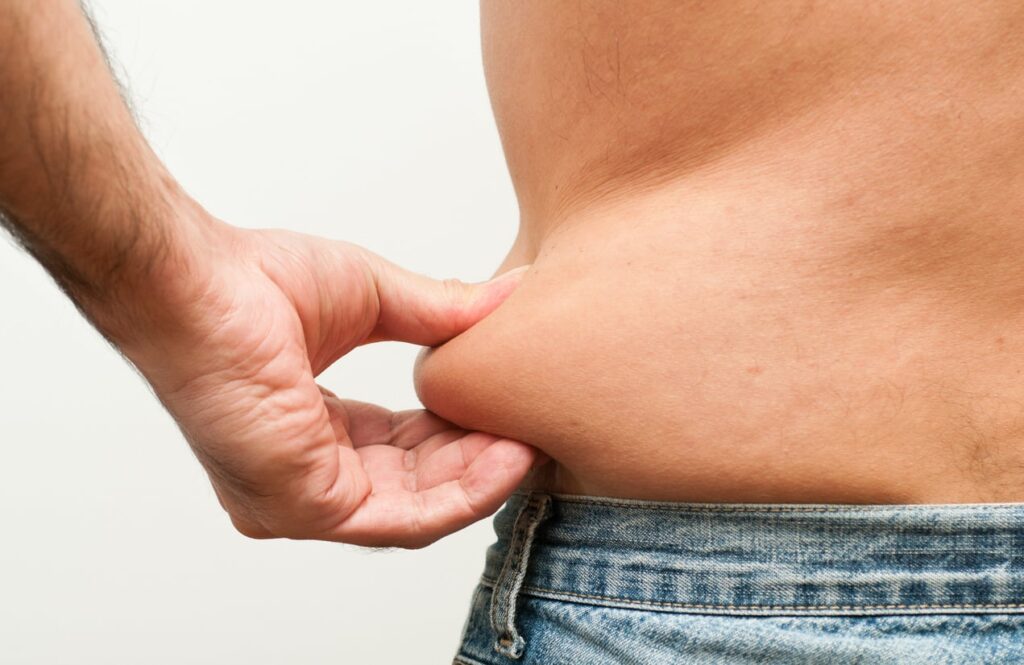
Liposuction can change the way a person sees their body, but it does not change the basic biology that governs weight, energy balance, muscle tone, or long-term health. That point matters more than any before-and-after photo. In practices across Michigan, patients often arrive with a mix of practical goals and emotional history. Some have exercised consistently for years yet still carry stubborn fat along the abdomen, flanks, thighs, or under the chin. Others are coming off major weight loss and want better contour after doing the hard work of changing their habits. In both cases, the same truth applies: liposuction is a body contouring procedure, not a substitute for healthy living.
That distinction becomes especially important when people search for Liposuction Michigan services and start comparing options. The procedure itself is only part of the story. The stronger question is what happens after the swelling fades, the compression garments come off, and normal life returns. Results tend to last best when patients maintain stable habits around food, movement, sleep, alcohol, and stress. Those factors sound simple on paper. In real life, they are where results are either protected or gradually undermined.
What liposuction can do, and what it cannot
A well-planned liposuction procedure removes localized fat deposits to improve shape and proportion. It can sharpen the waistline, reduce fullness through the lower abdomen, slim the inner or outer thighs, soften bra-line bulges, or improve the contour of the upper arms and neck. In the right candidate, even modest fat removal can create a noticeably cleaner silhouette in clothing and a better transition between body areas.
What it does not do is prevent future weight gain. If a patient returns to old habits and gains a meaningful amount of weight, remaining fat cells in treated and untreated areas can still enlarge. The body may not store fat in exactly the same pattern as before, but it absolutely can accumulate fat again. This is where disappointment often starts, not because the procedure failed, but because expectations were not tied to physiology.
There is another limitation worth stating plainly. Liposuction is not a treatment for poor skin elasticity. In Michigan practices, this comes up often in patients who have had pregnancies, significant weight loss, or simple age-related laxity. If loose skin is the main issue, fat removal alone can make the area look flatter but not necessarily tighter. Sometimes combining procedures, or choosing a different procedure altogether, leads to a better result. Good surgical judgment is often about saying no to the wrong plan.
Why patients in Michigan often ask different questions
Michigan patients tend to bring a practical mindset to elective procedures. They ask about downtime, compression during cold weather, getting back to work, and whether winter really is a better time for surgery. Those questions are not trivial. Climate and routine shape recovery more than people expect.
Many surgeons find that cooler months can be comfortable for wearing compression garments, especially after abdominal or flank liposuction. Layered clothing also makes early swelling less noticeable in public. On the other hand, Michigan winters can reduce daily walking if sidewalks are icy and daylight is short. That matters because gentle movement after surgery helps circulation and supports a smoother recovery. A patient who normally walks three miles outdoors may need a backup plan such as an indoor track, treadmill, or even several shorter walks through the day at home.
Seasonal eating patterns also play a role. Holiday meals, football gatherings, restaurant comfort food, and social drinking can quietly erase the discipline that protects results. A patient may do very well for the first two weeks after surgery, then slide into a month of low activity and high-calorie convenience foods. The body notices.
The best candidates already have maintenance habits
The patients who tend to be happiest long term are not necessarily the thinnest. They are the ones with stable routines. A person who has held the same general weight for a year, prepares most meals at home, walks regularly, and understands how their body responds to stress usually does well. Their expectations are grounded. They know that contouring helps with shape, not with every fitness or emotional struggle.
By contrast, patients who view liposuction as a reset button can run into trouble. I have seen versions of the same pattern many times: someone feels highly motivated before surgery, follows instructions closely for the first month, then assumes the result is now permanent regardless of behavior. Six to twelve months later, the complaint is not usually dramatic weight gain. More often, it is a softer midsection, tighter clothing, or the sense that the crispness they saw at three months never fully came back. Small habit drift creates that outcome.
This is why reputable surgeons in the Liposuction Michigan market spend time discussing goals beyond the operating room. Good candidates understand that surgery and lifestyle are partners, not competitors.
Recovery is not the same as maintenance
Early recovery has its own rules. Rest matters. Hydration matters. Protein intake matters. Compression and follow-up visits matter. Patients should not confuse the immediate post-operative period with their long-term fitness strategy. The first few weeks are about healing tissues, controlling swelling, and gradually resuming movement without overdoing it.
That distinction can save people from avoidable frustration. Some patients expect their body to look “final” within days. It rarely works that way. Swelling can obscure contours for weeks and sometimes for months, depending on the area treated and the individual healing response. The lower abdomen and flanks, in particular, can be slow to reveal detail. A patient who panics during this phase may swing between restriction, overexercise, and discouragement, none of which helps.
A more durable mindset is to treat the first six to twelve weeks as an investment period. During that time, healthy habits are reintroduced patiently. Walking comes first. Structured exercise follows when cleared by the surgeon. Meals should support healing rather than crash dieting. This is not just gentler, it is more effective.
Eating to protect results without turning food into a battle
The biggest mistake after liposuction is usually not one indulgent meal. It is the gradual return of unexamined eating patterns. Late-night snacking. High-calorie coffee drinks. Takeout lunches that seem moderate but routinely exceed a thousand calories. Weekend drinking that adds the equivalent of an extra day’s food intake. None of this is dramatic on a single occasion. Repeated weekly, it matters.
Healthy lifestyle maintenance does not require a punishing diet. In fact, severe restriction often backfires. Patients who do best typically build meals around protein, fiber, and consistency. They make it easier to eat well by reducing friction. That may mean keeping cooked chicken, Greek yogurt, eggs, fruit, chopped vegetables, and high-fiber staples on hand. It may mean deciding in advance what breakfast looks like on workdays. When food choices are left entirely to mood and convenience, maintenance gets harder.
Michigan life adds its own pressures. Long commutes, indoor work, and winter darkness can all increase comfort eating. So can sports schedules and family obligations. A realistic nutrition approach accounts for that. It does not pretend every dinner will be grilled salmon and roasted vegetables. It creates a pattern where better choices happen often enough to matter. For one patient, that may mean homemade soup and sandwiches through the week with one restaurant dinner on Saturday. For another, it may mean setting a two-drink limit when socializing because alcohol consistently leads to overeating.
The key is honesty. If someone says they “eat pretty healthy” but also grabs pastries at the office three mornings a week and orders delivery twice on busy evenings, the body is not fooled by the overall label. Maintenance depends on actual intake, not self-description.
Exercise after liposuction should be steady, not heroic
People often imagine they need a dramatic fitness overhaul to preserve surgical results. Usually they need the opposite. The body responds best to consistency. Walking, resistance training, and enough daily movement to avoid long stretches of inactivity carry more weight than random bursts of extreme effort.
Once cleared by the surgeon, a sensible plan often includes regular walking and two to four weekly strength sessions. Resistance training helps preserve lean mass, supports metabolism, improves posture, and shapes the frame that liposuction reveals. Cardio has value, but endless high-intensity sessions can be a poor fit for someone recovering from surgery, managing work stress, or trying to build habits that last through a Michigan winter.
An example makes this clearer. A patient in her forties has flank and lower abdominal liposuction in January. Before surgery, she worked out hard twice a Liposuction Michigan week and sat most of the rest of the time. After recovery, instead of chasing six intense classes per week, she commits to 8,000 to 10,000 steps most days and strength training three times weekly for 45 minutes. Six months later, her waistline is more stable than when she relied on occasional all-out effort. The improvement comes not from punishment, but from rhythm.
That pattern repeats often. Bodies respond to what happens repeatedly. A twenty-minute walk after dinner, done five nights a week, may protect results more reliably than a single boot camp class followed by two days of exhaustion and overeating.
Weight stability matters more than chasing a lower number
A common misconception is that patients need to keep losing weight after liposuction to justify the procedure. Not necessarily. In many cases, stable weight is the better goal. The purpose of contouring is to improve shape. If that improved shape is maintained at roughly the same weight, the procedure has done its job.
This can be emotionally difficult for people who have tied success to the scale for years. After surgery, they may expect every week to bring a lower number. But the body does not cooperate with simplistic narratives. Swelling fluctuates. Menstrual cycles affect retention. Strength training can increase lean mass. A person can look significantly better in clothing while weighing almost the same.
For that reason, maintenance should rely on several markers. How clothes fit. Waist measurements. Progress photos under consistent lighting. Energy levels. Workout performance. These are often more informative than daily scale readings. The goal is not to obsess less by ignoring data. It is to use better data.
Stress, sleep, and the quiet sabotage of good intentions
Many post-liposuction setbacks have less to do with anatomy and more to do with life load. A patient may know exactly how to eat and exercise, yet still struggle because they are sleeping five hours a night, caring for children, managing deadlines, and constantly running on stress hormones and convenience foods. Surgery does not shield anyone from that.
Sleep deserves more respect than it gets. People who sleep poorly tend to experience stronger hunger cues, worse cravings, lower training quality, and less impulse control. That becomes obvious fast in maintenance. The patient who gets seven to eight hours most nights will usually find it easier to regulate portions and stick with workouts than the one who lives in a state of chronic fatigue.
Stress management matters in the same practical way. This is not about vague wellness language. It is about reducing the specific behaviors stress triggers, such as snacking while working, skipping exercise for days, or using alcohol to unwind every evening. The best maintenance plan is the one that still functions during hard weeks, not just calm ones.
Skin, age, and the long view of body contour
Liposuction results do not exist outside time. Skin quality changes. Hormones change. Muscle mass changes. A body at 32 will not behave exactly like a body at 52. That does not make the procedure temporary in a discouraging sense. It means maintenance should respect the realities of aging.
Patients with strong skin elasticity often see the cleanest contour after fat removal. Those with thinner skin or some laxity may still look better, but the finish is softer. In practice, this means some people need to shift their expectations from “perfectly flat” to “better proportion and better fit in clothing.” That is not settling. It is intelligent goal setting.
Pregnancy is another important variable. If a patient plans to become pregnant soon, waiting on abdominal liposuction may make more sense. Pregnancy can stretch tissues and alter contour substantially. A similar principle applies to someone in the middle of active weight loss. Operating before weight stabilizes can lead to a result that no longer matches the body six months later.
Choosing a surgeon in Michigan with maintenance in mind
When evaluating Liposuction Michigan options, the conversation should go well beyond price and photos. Technique matters, of course. So does facility safety. But one of the most useful things to assess is how the surgeon talks about long-term results. If every answer sounds effortless, or if lifestyle maintenance is barely discussed, that is a concern.
A strong consultation usually includes a candid review of skin quality, realistic contour change, downtime, compression, scar placement if applicable, and the possibility of asymmetry or prolonged swelling. It also includes discussion of your current habits. A surgeon who asks about weight stability, exercise routine, previous pregnancies, or future plans is not being intrusive. They are trying to determine whether the procedure fits your life.
The best outcomes often come from that honesty. Sometimes the most professional answer is, “You would benefit more from another ten to fifteen pounds of stable weight loss first,” or “Your main issue is loose skin, not fat,” or “This area can improve, but it will not look airbrushed.” Patients may not love hearing that in the moment, yet they usually appreciate it later.
When maintenance gets off track
Almost everyone has a stretch where habits drift. Vacation happens. An injury interrupts training. Work becomes chaotic. A parent gets sick. The problem is rarely the disruption itself. The problem is treating disruption as defeat.
If someone gains five to eight pounds after liposuction, the answer is not panic and overcorrection. More often, it is a careful return to basics. Regular meals. Better protein intake. Less restaurant food. A step goal. Two or three consistent strength sessions. Reduced alcohol. Good sleep. These are ordinary interventions, but they work because they address the true source of the problem.
Patients often assume they need motivation first. In practice, action usually comes first. Once a routine is rebuilt for two weeks, motivation tends to catch up. The body starts responding, clothes fit better, swelling from poor eating settles, and confidence returns. That is not glamorous advice, but it is durable.
The emotional side of protecting results
Body contouring often changes more than measurements. It can reduce self-consciousness, make shopping easier, and help clothing sit better. For some patients, that creates relief. For others, it reveals how much pressure they had been putting on one area of the body to solve broader self-esteem concerns.
This matters because maintenance is easier when the relationship with the body becomes more respectful and less adversarial. Patients who see liposuction as one useful tool among many usually adapt well. They eat better because they feel better in their skin. They move more because clothing fits comfortably. They maintain results because the routine supports their life.
Patients who expect surgery to erase long-standing insecurity may feel unsettled even when the technical result is good. They may focus on tiny imperfections or shift dissatisfaction to another body area. No procedure can fully resolve that pattern. Real maintenance includes mental framing. Appreciating improvement, without demanding flawlessness, protects both the result and the patient’s peace of mind.
What long-term success usually looks like
Long-term success after liposuction is rarely dramatic in the day-to-day. It looks ordinary. A person cooks most nights, gets some form of movement nearly every day, strength trains a few times a week, and notices when their clothes begin to feel different. They respond early, not after months of drift. They enjoy vacations and holidays without abandoning structure. They understand that a stable routine beats a perfect week.
That is especially relevant for anyone exploring Liposuction Michigan providers. The procedure can absolutely enhance shape and confidence. It can remove pockets of fat that resisted honest effort. It can make the body look more proportional and help hard-earned fitness show more clearly. But the result lives inside a larger lifestyle. The surgery creates an opportunity. Habits decide whether that opportunity stays visible.
The patients who hold onto their results are not necessarily the most rigid. They are usually the most consistent, the most realistic, and the least tempted by all-or-nothing thinking. They understand that healthy lifestyle maintenance is not a temporary phase after surgery. It is the framework that lets the surgical result keep making sense, month after month and year after year.
Aesthetic Plastic Surgery & Laser Center, Michelle Hardaway M.D.
27920 Orchard Lake Rd, Farmington Hills, MI 48334, United States
+1 248-221-1957
FAQ About Liposuction Michigan
Is 55 too old for liposuction?
Age 55 alone does not determine suitability. A surgeon evaluates overall health, skin quality, healing risks, and realistic goals. A personal consultation is needed to assess candidacy and discuss alternatives.
What happens 10 years after liposuction?
Contour improvements can last, especially with stable weight. Aging, pregnancy, and weight changes can alter the appearance over time. Results vary, and liposuction does not prevent future body changes.
Can lipo get rid of an apron belly?
Liposuction reduces localized fat but does not remove hanging excess skin. An apron belly may require assessment for a skin-removal procedure instead of, or alongside, fat removal. A qualified plastic surgeon can explain appropriate options and their risks.